0–6Y Baby Animal Encyclopedia & Storybook Character Library
150 kid-friendly species across 5 biomes—pairing grounded Wikipedia facts with toddler-scale analogies, Look-and-Find Q&A, sound phonics, and 3-pose watercolor storybook characters.

Polar Bear · 北极熊
The polar bear (Ursus maritimus) is a large bear native to the Arctic and nearby areas. It is closely related to the brown bear, and the two species can interbreed.
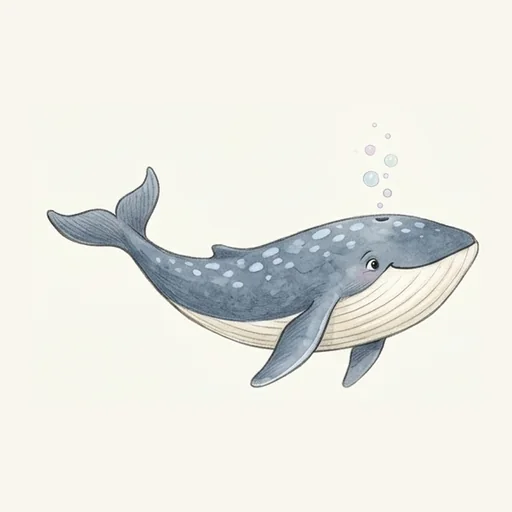
Blue Whale · 蓝鲸
The blue whale (Balaenoptera musculus) is a species of baleen whale and the largest marine mammal in the rorqual family Balaenopteridae. Reaching a maximum confirmed length of 29.9–30.5 m (98–100 ft) and weighing up to 190–200 t (190–200 long tons; 210–220 sho
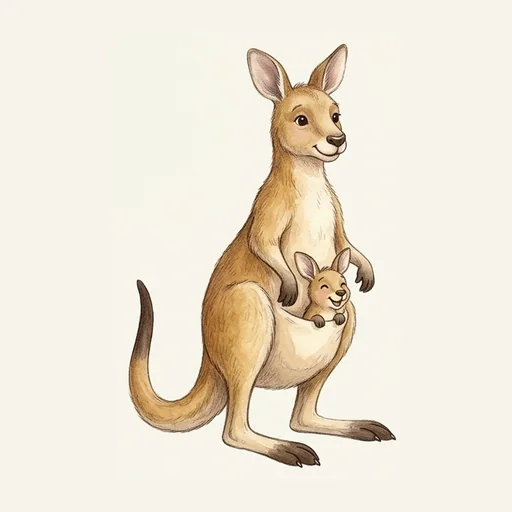
Kangaroo · 袋鼠
Kangaroos are marsupials from the subfamily Macropodinae (macropods, meaning "large foot"). In common use, the term is used to describe the largest species from this family, the red kangaroo, as well as the antilopine kangaroo, eastern grey kangaroo, and weste
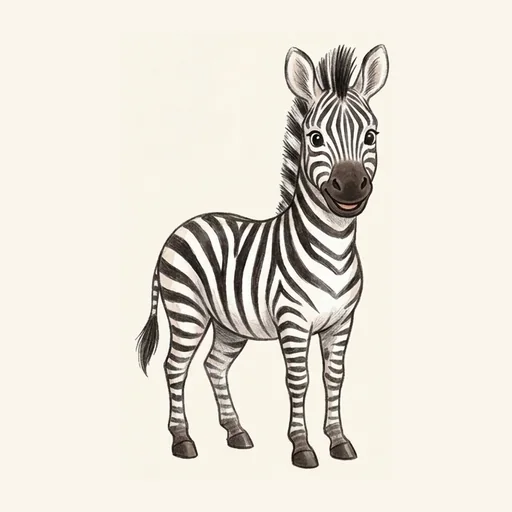
Zebra · 斑马
Zebras (US: , UK: ) (subgenus Hippotigris) are African equines with distinctive black-and-white striped coats. There are three living species: Grévy's zebra (Equus grevyi), the plains zebra (E. quagga), and the mountain zebra (E. zebra).
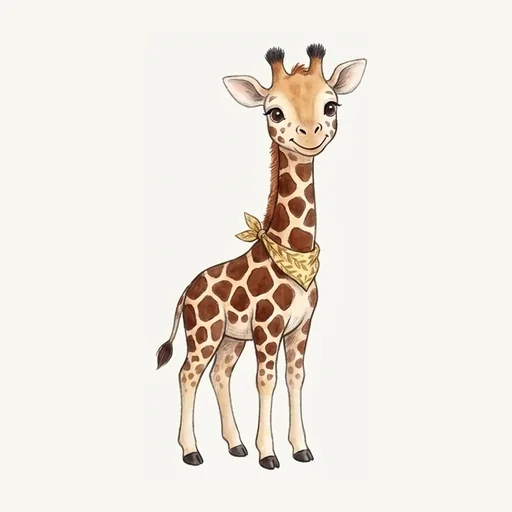
Giraffe · 长颈鹿
Giraffes (genus Giraffa) are large African hoofed mammals. They are the tallest living terrestrial animals and the largest ruminants on Earth.
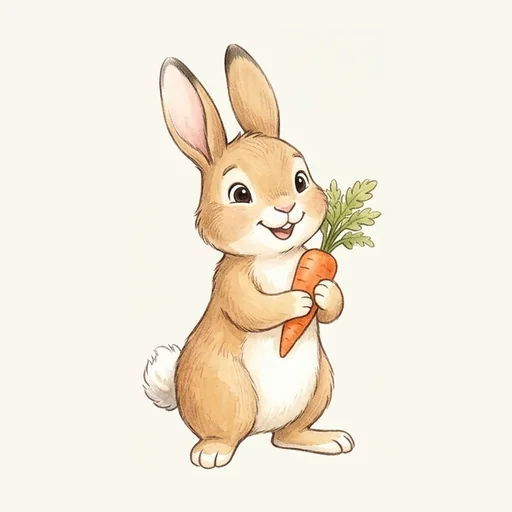
Rabbit · 森林小兔
Rabbits, or bunnies, are small mammals in the family Leporidae (which also includes the hares), which is in the order Lagomorpha (which also includes pikas). They are familiar throughout the world as a small herbivore, a prey animal, a domesticated form of liv
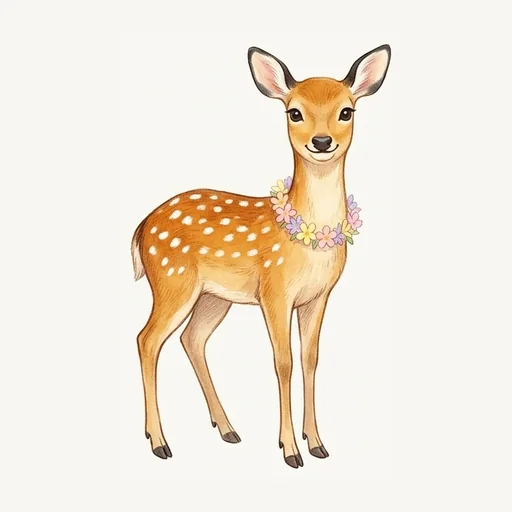
Sika Deer · 梅花鹿
The sika deer (Cervus nippon), also known as the northern spotted deer or the Japanese deer, is a species of deer native to much of East Asia and introduced to other parts of the world. Previously found from northern Vietnam in the south to the Russian Far Eas
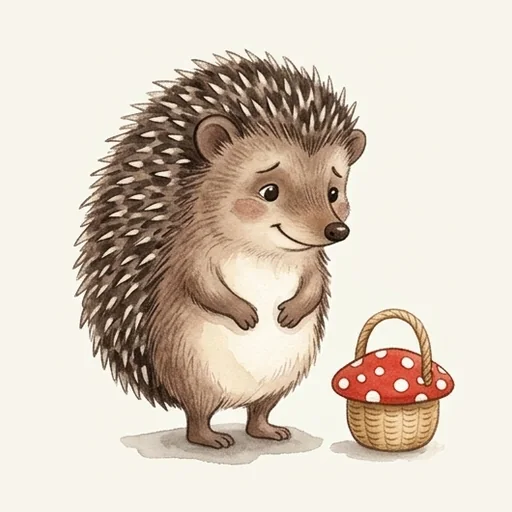
Hedgehog · 小刺猬
A hedgehog is a spiny mammal of the subfamily Erinaceinae, in the eulipotyphlan family Erinaceidae. There are 17 species of hedgehog in five genera found throughout parts of Europe, Asia, and Africa, and in New Zealand by introduction.
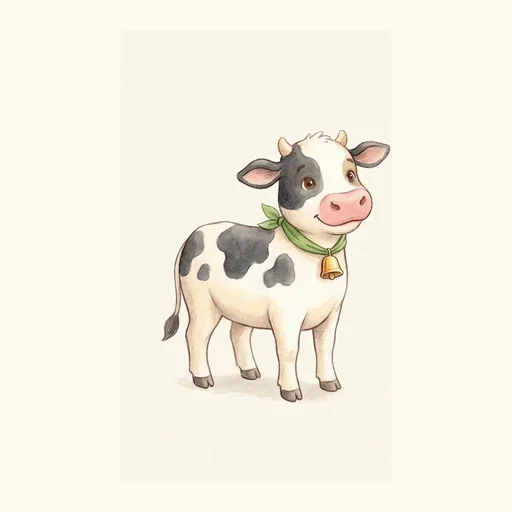
Dairy Cow · 奶牛
Cattle (Bos taurus) are large, domesticated, bovid ungulates widely kept as livestock. They are prominent modern members of the subfamily Bovinae and the most widespread species of the genus Bos.
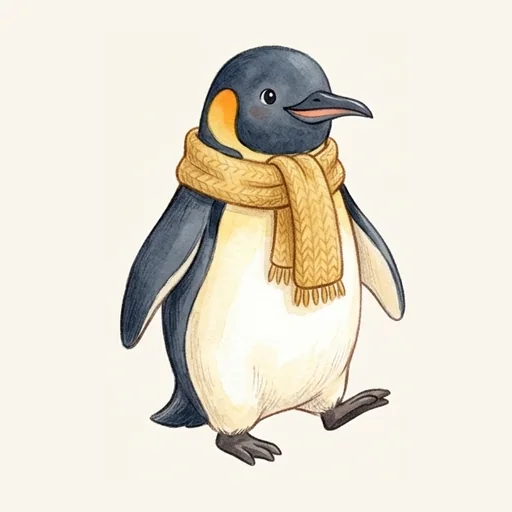
Emperor Penguin · 帝企鹅
The emperor penguin (Aptenodytes forsteri) is the tallest and heaviest of all living penguin species and is endemic to Antarctica. The male and female are similar in plumage and size, reaching 100 cm (39 in) in length and weighing from 22 to 45 kg (49 to 99 lb
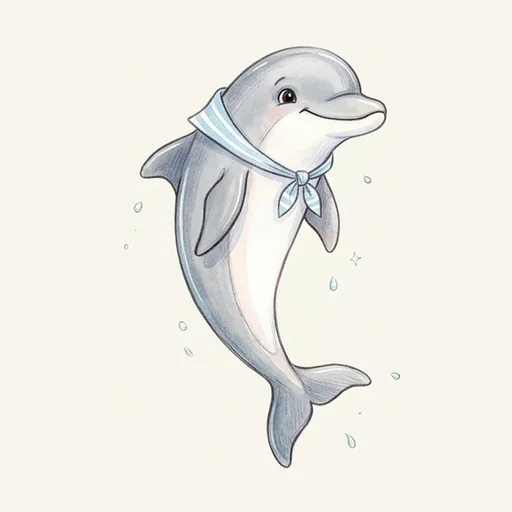
Dolphin · 海豚
The bottlenose dolphin is a toothed whale in the genus Tursiops. They are common, cosmopolitan members of the family Delphinidae, the family of oceanic dolphins.
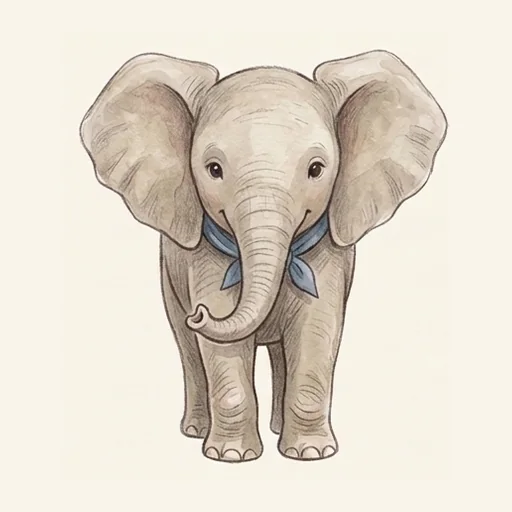
Elephant · 大象
The African bush elephant (Loxodonta africana), also known as the African savanna elephant, is a species of elephant native to sub-Saharan Africa. It is characterised by its long prehensile trunk with two finger-like processes, a concave back, large ears which
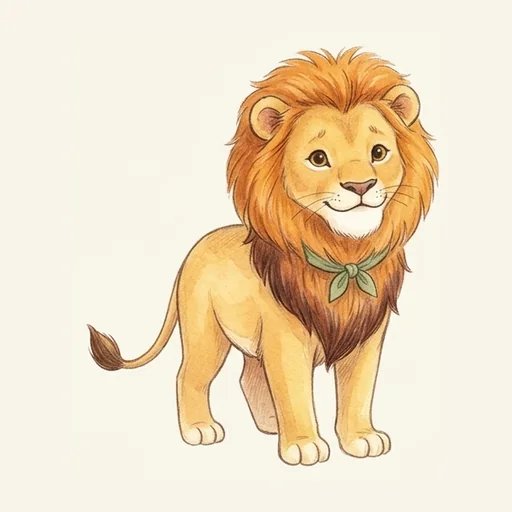
Lion · 狮子
The lion (Panthera leo) is a large cat of the genus Panthera, currently ranging only in sub-Saharan Africa and India. It has a muscular, broad-chested body; a short, rounded head; round ears; and a dark, hairy tuft at the tip of its tail.
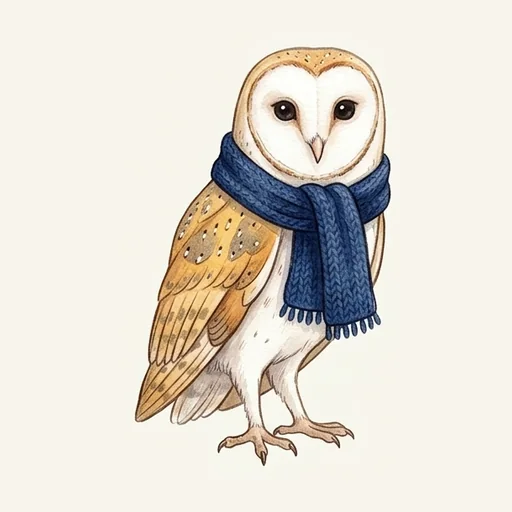
Barn Owl · 仓鸮/猫头鹰
The barn owls are owls in the genus Tyto, the most widely distributed genus of owls in the world. They are medium-sized owls with large heads and characteristic heart-shaped faces.

Red Fox · 赤狐
The red fox (Vulpes vulpes) is the largest of the true foxes, and the most widely distributed member of the order Carnivora. It is present across the entire Northern Hemisphere, including most of Europe, Asia, and North America, as well as parts of North Afric

Giant Panda · 大熊猫
The giant panda (Ailuropoda melanoleuca), also known as the panda bear or simply panda, is a bear species endemic to China. It is characterised by its white coat with black patches around the eyes, ears, legs and shoulders.
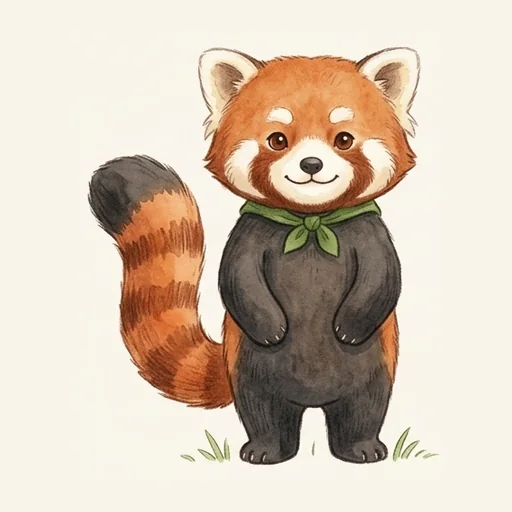
Red Panda · 小熊猫
The red panda (Ailurus fulgens), also known as the lesser panda, is a small mammal native to the eastern Himalayas and southwestern China. It has dense reddish-brown fur with a black belly and legs, white-lined ears, a mostly white muzzle and a ringed tail.

Toco Toucan · 巨嘴鸟
The toco toucan (Ramphastos toco) is a species of bird in the family Ramphastidae. It is noted for its distinctive appearance, having a black body, white chest and throat, white uppertail coverts, and red undertail coverts.

Veiled Chameleon · 变色龙
The veiled chameleon (Chamaeleo calyptratus) is a species of chameleon (family Chamaeleonidae) native to the Arabian Peninsula in Yemen and Saudi Arabia. Other common names include cone-head chameleon, Yemen chameleon, and Yemeni chameleon.

Three-toed Sloth · 三趾树懒
The three-toed or three-fingered sloths are arboreal neotropical mammals. They are the only members of the genus Bradypus (meaning "slow-footed" in Ancient Greek) and the family Bradypodidae.

Cat · 小猫咪
The cat (Felis catus), also called domestic cat and house cat, is a small domesticated carnivorous mammal. It is a member of Felidae, the family of mammals in the order Carnivora also colloquially referred to as cats.

Dog · 小狗/金毛
The Golden Retriever is a British breed of retriever dog of medium-large size. It is characterised by a gentle and affectionate nature and a striking golden coat.

Chicken · 母鸡妈妈
The chicken (Gallus gallus domesticus) is the domesticated subspecies of the red junglefowl (Gallus gallus), originally native to Southeast Asia. It was first domesticated around 8,000 years ago and is one of the most common and widespread domesticated animals
Domestic Pig · 小花猪
The pig (Sus domesticus), also called swine (pl.: swine) or hog, is an omnivorous, domesticated, even-toed, hoofed mammal. It is named the domestic pig when distinguishing it from other members of the genus Sus.

Sheep · 小绵羊
Sheep (pl.: sheep) or domestic sheep (Ovis aries) are a domesticated ruminant mammal typically kept as livestock. Although the term sheep can apply to other species in the genus Ovis, in everyday usage it almost always refers to domesticated sheep.

Seahorse · 海马
A seahorse (also written sea-horse and sea horse) is any of 47 species of small marine bony fish in the genus Hippocampus. Having a head and neck suggestive of a horse, seahorses also feature segmented bony armour, an upright posture and a curled prehensile ta

Sea Otter · 海獭
The sea otter (Enhydra lutris) is a marine mammal native to the coasts of the northern and eastern North Pacific Ocean. Adult sea otters typically weigh between 14 and 45 kg (30–100 lb), making them the heaviest members of the weasel family, but among the smal

Sea Turtle · 绿海龟
The green sea turtle (Chelonia mydas), also known as the green turtle, black sea turtle, and Pacific green turtle, is a species of large sea turtle of the family Cheloniidae. It is the only species in the genus Chelonia.

Cheetah · 猎豹
The cheetah (Acinonyx jubatus) is a species of large feline and the only living member of the genus Acinonyx. The cheetah is a pursuit predator and the fastest land animal, capable of running at 93–104 km/h (58–65 mph); it has evolved for speed, having powerfu

Hippopotamus · 河马
The hippopotamus (Hippopotamus amphibius; ; pl.: hippopotamuses or hippopotami), often shortened to hippo (pl.: hippos), further qualified as the common hippopotamus, Nile hippopotamus and river hippopotamus, is a large semiaquatic mammal native to sub-Saharan

King Penguin · 王企鹅
The king penguin (Aptenodytes patagonicus) is the second largest species of penguin, smaller than but somewhat similar in appearance to the emperor penguin. King penguins mainly eat lanternfish, squid, and krill.

Axolotl · 六角恐龙/美西螈
The axolotl ( ; from Classical Nahuatl: āxōlōtl [aːˈʃoːloːtɬ] ; Ambystoma mexicanum) is a species of mole salamander. It is neotenic, reaching sexual maturity without undergoing metamorphosis, and the adults remain fully aquatic with obvious external gills.

Sugar Glider · 蜜袋鼯
The sugar glider (Petaurus breviceps) is a small, omnivorous, arboreal, and nocturnal gliding possum. The common name refers to its predilection for sugary foods such as sap and nectar and its ability to glide through the air, much like a flying squirrel.

Fennec Fox · 耳廓狐
The fennec fox (Vulpes zerda) is a small fox native to the deserts of North Africa, ranging from Western Sahara and Mauritania to the Sinai Peninsula. Its most distinctive feature is its unusually large ears, which serve to dissipate heat and listen for underg

Quokka · 短尾矮袋鼠
The quokka (; Setonix brachyurus) is a macropod native to Australia. It is about the size of a domestic cat.
Muskox · 麝牛
The muskox (Ovibos moschatus) is a hoofed mammal of the family Bovidae. Native to the Arctic, it is noted for its thick coat and for the strong odour emitted by males during the seasonal rut, from which its name derives.

Lemming · 北极旅鼠
A lemming is a small rodent, usually found in or near the Arctic in tundra biomes. Lemmings form the subfamily Arvicolinae (also known as Microtinae) together with voles and muskrats, which form part of the superfamily Muroidea, which also includes rats, mice,

Okapi · 霍加狓
The okapi (Okapia johnstoni; ), also known as forest giraffe and zebra giraffe, is an artiodactyl mammal that is endemic to the northeast Democratic Republic of the Congo. It is a monotypic taxon in the genus Okapia.

Jaguar · 美洲豹
The jaguar (Panthera onca) is a large cat species and the only living member of the genus Panthera that is native to the Americas. Its coat features pale yellow to tan colored fur covered with spots that transition to rosettes on the sides; some individuals ha

Baird's Tapir · 马来貘/巴西貘
The Baird's tapir, also known as the Central American tapir, is a species of tapir native to Mexico, Central America, and northwestern South America. It is the largest of the three species of tapir native to the Americas, as well as the largest native land mam

Capybara · 水豚
The capybara ( kap-ih-BAR-uh) or greater capybara (Hydrochoerus hydrochaeris) is the largest living rodent, native to all countries in South America except Chile. It is a semiaquatic herbivore that inhabits savannas and dense forests, living near and in bodies

Blue-and-gold Macaw · 蓝黄金刚鹦鹉
The blue-and-yellow macaw (Ara ararauna), also known as the blue-and-gold macaw, is a large Neotropical parrot with a mostly blue dorsum, light yellow/orange venter, and gradient hues of green on top of its head. It is a member of the large group of neotropica

Reindeer · 驯鹿
The reindeer or caribou (Rangifer tarandus) is a species of deer with circumpolar distribution, native to the Arctic, subarctic, tundra, boreal, and mountainous regions of Northern Europe, Siberia, and North America. It is the only representative of the genus

Harp Seal · 竖琴海豹宝宝
The harp seal (Pagophilus groenlandicus), also known as the saddleback seal or Greenland seal, is a species of earless seal, or true seal, native to the northernmost Atlantic Ocean and Arctic Ocean. Originally in the genus Phoca with a number of other species,

Arctic Fox · 北极狐
The Arctic fox (Vulpes lagopus), also known as the white fox, polar fox, or snow fox, is a small species of fox native to the Arctic regions of the Northern Hemisphere and common throughout the Arctic tundra. It is well adapted to living in cold environments,
Snowy Owl · 雪鸮
The snowy owl (Bubo scandiacus), also known as the polar owl, the white owl and the Arctic owl, is a large, white owl of the true owl family. Snowy owls are native to the Arctic regions of both North America and the Palearctic, breeding mostly on the tundra.

Highland Cattle · 苏格兰高地牛
The Highland (Scottish Gaelic: Bò Ghàidhealach) (Scots: Hieland Kye) is a Scottish breed of cattle. It originated in the Scottish Highlands and the Western Islands of Scotland and has long horns and a long shaggy coat.

Silkie Chicken · 乌骨绒毛鸡
Silkie or Silky may refer to: Silkie (chicken breed), a breed of domestic chicken Silkie, guinea pig of one specific variety Silkie, a character in Teen Titans Silkie, a mythical species, a.k.a. Selkie, that passes for both seal and human Silkie, a type of bro

Hermann's Tortoise · 陆龟
The Hermann's tortoise is a species of tortoise native to Europe.

Goldfish · 小金鱼
The goldfish (Carassius auratus) is a freshwater fish in the family Cyprinidae of the order Cypriniformes. It is commonly kept as a pet in indoor aquariums, and is one of the most popular aquarium fish.

Barn Swallow · 家燕
The barn swallow (Hirundo rustica) is the most widespread species of swallow in the world, occurring on all continents, with vagrants reported even in Antarctica. It is a distinctive passerine bird with blue upperparts and a long, deeply forked tail.

Rock Dove · 白鸽
The rock dove (Columba livia), also known as the common pigeon or rock pigeon (but see also Petrophassa), is a member of the bird family Columbidae (doves and pigeons). In common usage, it is often simply referred to as the "pigeon", although the rock dove is

Shetland Pony · 矮种马
The Shetland pony or Sheltie is a small, hardy breed of pony from the Shetland Islands of Scotland, known for its strength, dense coat, and ability to thrive in harsh climates. It has been present on the islands since at least the Bronze Age.
Llama · 大羊驼/美洲驼
The llama (; Spanish pronunciation: [ˈʎama] or [ˈʝama]; Lama glama) is a domesticated South American camelid, widely used as a meat and pack animal by Andean cultures since the pre-Columbian era. Llamas are social animals and live with others as a herd.

Guinea Pig · 豚鼠/荷兰猪
The guinea pig (Cavia porcellus), also known as the domestic guinea pig, cavy or domestic cavy ( KAY-vee), is a species of rodent. It belongs to the genus Cavia, family Caviidae, and its closest wild relatives include the montane guinea pig.
Mute Swan · 大天鹅
The mute swan (Cygnus olor) is a species of swan and a member of the family Anatidae within the waterfowl order. It is native to much of Europe and parts of Asia and (as a rare winter visitor) the far north of Africa.

Honey Bee · 小蜜蜂
The western honey bee (Apis mellifera) is the most common of the 7–12 species of honey bees worldwide. The genus name Apis is Latin for 'bee', and mellifera is the Latin for 'honey-bearing' or 'honey-carrying', referring to the species' production of honey.

Wild Turkey · 火鸡
The wild turkey (Meleagris gallopavo) is an upland game bird native to North America, one of two extant species of turkey and the heaviest member of the order Galliformes. It is the ancestor to the domestic turkey (M. g. domesticus), which was originally deriv

Rooster · 大公鸡
The chicken (Gallus gallus domesticus) is the domesticated subspecies of the red junglefowl (Gallus gallus), originally native to Southeast Asia. It was first domesticated around 8,000 years ago and is one of the most common and widespread domesticated animals

Goose · 大白鹅
A domestic goose is a goose that humans have domesticated and kept for their meat, eggs, or down feathers, or as companion animals. Domestic geese have been derived through selective breeding from the wild greylag goose (Anser anser domesticus) and swan goose

Donkey · 小毛驴
The donkey, ass, or burro is a domesticated equine. It derives from the African wild ass, Equus africanus, and may be classified either as a subspecies thereof, Equus africanus asinus, or as a separate species, Equus asinus.

Alpaca · 羊驼
The alpaca (Lama pacos) is a domesticated species of South American camelid. Traditionally, alpacas were kept in herds that grazed on the level heights of the Andes of Southern Peru, Western Bolivia, Ecuador, and Northern Chile.

Goat · 小山羊
The goat or domestic goat (Capra hircus) is a species of caprine that is mostly kept as livestock. It was domesticated from the wild goat (C. aegagrus) of Southwest Asia and Eastern Europe.

Horse · 小骏马
The horse (Equus ferus caballus) is a domesticated, one-toed, hoofed mammal. It belongs to the taxonomic family Equidae and is one of two extant subspecies of Equus ferus.

Duck · 小鸭子
The mallard () or wild duck (Anas platyrhynchos) is a dabbling duck that breeds throughout temperate and subtropical North America, Eurasia, and North Africa. It has been introduced to New Zealand, Australia, Peru, Brazil, Uruguay, Argentina, Chile, Colombia,

Spinner Dolphin · 飞旋海豚
The spinner dolphin (Stenella longirostris) is a small dolphin found in off-shore tropical waters around the world. It is famous for its acrobatic displays in which it rotates around its longitudinal axis as it leaps through the air.

Scallop · 大扇贝
Scallop () is a common name that encompasses various species of marine bivalve molluscs in the taxonomic family Pectinidae, the scallops. However, this common name is also sometimes applied to species in other closely related families within the superfamily Pe

Roseate Spoonbill · 粉红琵鹭
The roseate spoonbill (Platalea ajaja) is a social wading bird of the ibis and spoonbill family, Threskiornithidae. It is a resident breeder in both South and North America.

Adelie Penguin · 阿德利企鹅
The Adélie penguin is a species of penguin common along the entire coast of the Antarctic continent. It is the most widespread penguin species in the Antarctic, and, along with the emperor penguin, is the most southerly distributed of all penguins.

Regal Blue Tang · 蓝吊鱼
Paracanthurus hepatus is a species of Indo-Pacific surgeonfish. A popular fish in marine aquaria, it is the only member of the genus Paracanthurus.

Pufferfish · 河豚/刺豚
Tetraodontidae is a family of marine and freshwater fish in the order Tetraodontiformes. The family includes many familiar species variously called pufferfishes, puffers, balloonfishes, blowfishes, blowers, blowies, bubblefishes, globefishes, swellfishes, toad

Emperor Angelfish · 皇帝神仙鱼
The emperor angelfish (Pomacanthus imperator) is a species of marine angelfish. It is a reef-associated fish, native to the Indian and Pacific Oceans, from the Red Sea to Hawaii and the Austral Islands.

Cuttlefish · 小乌贼/墨鱼
Cuttlefish, or cuttles, are marine molluscs of the family Sepiidae. They belong to the class Cephalopoda which also includes squid, octopuses, and nautiluses.

Blue Crab · 小螃蟹
Callinectes sapidus, commonly known as the blue crab, Atlantic blue crab, or, regionally, the Maryland blue crab, is a species of crab native to the waters of the western Atlantic Ocean and the Gulf of Mexico, and introduced internationally. C. sapidus is of c

Seagull · 海鸥
Gulls, informally called seagulls (see Taxonomy), are seabirds of the subfamily Larinae. They are most closely related to terns and skimmers, and are placed with them in the family Laridae.

Pelican · 鹈鹕
Pelicans (genus Pelecanus) are a genus of large water birds that make up the family Pelecanidae. They are characterized by a long beak and a large throat pouch used for catching prey and draining water from the scooped-up contents before swallowing.

Atlantic Puffin · 海鹦
The Atlantic puffin (Fratercula arctica), also known as the common puffin, is a species of seabird in the auk family. It is the only puffin native to the Atlantic Ocean; two related species, the tufted puffin and the horned puffin, are found in the northeaster
Hermit Crab · 寄居蟹
Hermit crabs are anomuran decapod crustaceans of the superfamily Paguroidea that have adapted to occupy empty scavenged gastropod shells to protect their fragile abdomens. There are over 800 species of hermit crab, most of which possess an asymmetric abdomen c

Lobster · 龙虾
The American lobster (Homarus americanus) is a species of lobster found on the Atlantic coast of North America, chiefly from Labrador to New Jersey. It is also known as Atlantic lobster, Canadian lobster, northern lobster, Canadian Reds, or Maine lobster.

Whale Shark · 鲸鲨
The whale shark (Rhincodon typus) is a slow-moving, filter-feeding carpet shark and the largest known extant fish species. An individual with a length of 18.8 m (61.7 ft) has been considered the largest reliably recorded.

Hammerhead Shark · 双髻鲨
The hammerhead sharks are a group of sharks that form the family Sphyrnidae, named for the unusual and distinctive form of their heads, which are flattened and laterally extended into a cephalofoil (a T-shape or "hammer"). The shark's eyes are placed one on ea

Manta Ray · 蝠鲼/魔鬼鱼
Manta rays are large rays belonging to the genus Mobula (formerly its own genus Manta). Three species are known: M. birostris, the largest at 7 m (23 ft) in width, M. yarae, which reaches 6 m (20 ft), and M. alfredi, the smallest at 5.5 m (18 ft).

Starfish · 海星
Starfish or sea stars are a class of echinoderms generally shaped like a star polygon. Starfish are also known as asteroids because they form the taxonomic class Asteroidea ().

Moon Jellyfish · 水母
Aurelia aurita (also called the common jellyfish, moon jellyfish, moon jelly, northern moon jelly or saucer jelly) is a species of true jellyfish in the family Ulmaridae and the type species of its genus, Aurelia. Before the 2020s, the species was considered c

Harbor Seal · 海豹
The harbor (or harbour) seal (Phoca vitulina), also known as the common seal, is a true seal found along temperate and Arctic marine coastlines of the Northern Hemisphere. The most widely distributed species of pinniped (walruses, eared seals, and true seals),

Walrus · 海象
The walrus (Odobenus rosmarus; plural walrus or walruses) is a large pinniped marine mammal with discontinuous distribution about the North Pole in the Arctic Ocean and subarctic seas of the Northern Hemisphere. It is the only extant species in the family Odob

Narwhal · 独角鲸
The narwhal (Monodon monoceros) is a species of toothed whale native to the Arctic. It is the only member of the genus Monodon and one of two living representatives of the family Monodontidae.

Beluga Whale · 白鲸
The beluga whale () or the white whale (Delphinapterus leucas) is an Arctic and sub-Arctic cetacean. It is one of two living members of the family Monodontidae, along with the narwhal, and the only member of the genus Delphinapterus.

Manatee · 海牛
Manatees (, family Trichechidae, genus Trichechus) are large, fully aquatic, mostly herbivorous marine mammals sometimes known as sea cows. There are three accepted living species of Trichechidae, representing three of the four living species in the order Sire

Orca · 虎鲸
The orca (Orcinus orca), or killer whale, is a toothed whale and the largest member of the oceanic dolphin family. The only extant species in the genus Orcinus, it is recognizable by its distinct pigmentation, being mostly black on top, white on the bottom, an

Humpback Whale · 座头鲸
The humpback whale (Megaptera novaeangliae) is a species of baleen whale. It is a rorqual (a member of the family Balaenopteridae) and is the only species in the genus Megaptera.

Octopus · 章鱼
An octopus (pl.: octopuses or octopodes) is a soft-bodied, eight-limbed mollusc of the order Octopoda (, ok-TOP-ə-də). The order consists of some 300 species and is grouped within the class Cephalopoda with squids, cuttlefish, and nautiloids.

Clownfish · 小丑鱼
Clownfish or anemonefishes (genus Amphiprion) are saltwater fish found in the warm and tropical waters of the Indo-Pacific. They mainly inhabit coral reefs and have a distinctive colouration typically consisting of white vertical bars on a red, orange, yellow,

Sea Lion · 海狮
The California sea lion (Zalophus californianus) is a coastal eared seal native to western North America. It is one of six species of sea lions.

Giant Anteater · 大食蚁兽
The giant anteater (Myrmecophaga tridactyla) is a large insectivorous mammal native to Central and South America. It is the largest of the four living species of anteaters, which are classified with sloths in the order Pilosa.

Platypus · 鸭嘴兽
The platypus (Ornithorhynchus anatinus), sometimes referred to as the duck-billed platypus, is a semiaquatic, egg-laying mammal endemic to eastern Australia, including Tasmania. The platypus is the sole living representative of the family Ornithorhynchidae and

Kookaburra · 笑翠鸟
The laughing kookaburra (Dacelo novaeguineae) is a bird in the kingfisher subfamily Halcyoninae. It is a large kingfisher with a whitish head and a brown eye-stripe.

Pangolin · 穿山甲
Pangolins, also called scaly anteaters, are mammals of the order Pholidota (). The one extant family, the Manidae, has three genera: Manis, Phataginus, and Smutsia.

Honey Badger · 蜜獾
The honey badger (Mellivora capensis), also known as the ratel ( or ), is a mammal widely distributed across Africa, Southwest Asia, and the Indian subcontinent. It is the sole living representative of the Mellivorinae subfamily of the Mustelidae.
Impala · 黑羚
The impala or rooibok (Aepyceros melampus, lit. 'black-footed high-horn' in Ancient Greek) is a medium-sized antelope found in eastern and southern Africa. The only extant member of the genus Aepyceros, and tribe Aepycerotini, it was first described to Europea

Aardvark · 土豚
The aardvark ( ; Orycteropus afer) is a medium-sized, burrowing, nocturnal mammal native to Africa. The aardvark is the only living member of the genus Orycteropus, the family Orycteropodidae and the order Tubulidentata.

African Wild Dog · 非洲野犬
The African wild dog (Lycaon pictus), also called painted dog and Cape hunting dog, is a wild canine native to sub-Saharan Africa. It is the largest wild canine in Africa and the only extant member of the genus Lycaon, which is distinguished from Canis by dent

Peafowl · 蓝孔雀
Peafowl is a common name for two bird species of the genus Pavo and one species of the closely related genus Afropavo within the tribe Pavonini of the family Phasianidae (the pheasants and their allies). Male peafowl are referred to as peacocks, and female pea

Orangutan · 红毛猩猩
Orangutans are great apes native to the rainforests of Indonesia and Malaysia. They are now found only in parts of Borneo and Sumatra, but during the Pleistocene they ranged throughout Southeast Asia and South China.
Gorilla · 大猩猩
Gorillas are large, primarily herbivorous, great apes that live in the tropical forests of equatorial Africa. The genus Gorilla is divided into two species: the eastern gorilla and the western gorilla, and either four or five subspecies.
Chimpanzee · 黑猩猩
The chimpanzee (; Pan troglodytes), commonly abbreviated to chimp, is a medium-sized great ape species found in the forests and savannas of equatorial Africa. It has four confirmed subspecies and a fifth proposed one.

Baboon · 狒狒
Baboons are primates comprising the genus Papio, one of the 23 genera of Old World monkeys, in the family Cercopithecidae. There are six species of baboon: the hamadryas baboon, the Guinea baboon, the olive baboon, the yellow baboon, the Kinda baboon and the c

Prairie Dog · 草原犬鼠
Prairie dogs (genus Cynomys) are herbivorous burrowing ground squirrels native to the grasslands of North America. There are five recognized species of prairie dog: black-tailed, white-tailed, Gunnison's, Utah, and Mexican prairie dogs.

African Buffalo · 水牛
The African buffalo (Syncerus caffer) is a large bovine native to sub-Saharan Africa. First described in 1779 by Anders Sparrman, it is the only extant species of the genus Syncerus.

Wildebeest · 角马
Wildebeest (, WIL-di-beest; , VIL-,), also called gnu (, NOO or , NEW), are antelopes of the genus Connochaetes and native to Eastern and Southern Africa. They belong to the family Bovidae, which includes true antelopes, cattle, goats, sheep, and other even-to
Thomson's Gazelle · 瞪羚
Thomson's gazelle is one of the best known species of gazelles. It is named after explorer Joseph Thomson and is sometimes referred to as a "tommie".

Wallaby · 小袋鼠/沙袋鼠
A wallaby () is a small or middle-sized macropod native to Australia and New Guinea, with introduced populations in New Zealand, Hawaii, the United Kingdom and other countries. They belong to the same taxonomic family as kangaroos and sometimes the same genus,

Emu · 鸸鹋
The emu (; Dromaius novaehollandiae) is a species of flightless bird endemic to Australia, where it is the tallest native bird. It is the only extant member of the genus Dromaius and the third-tallest living bird after its African ratite relatives, the common
Wombat · 袋熊
Wombats are short-legged, muscular quadrupedal marsupials of the family Vombatidae that are native to Australia. Living species are about one metre (40 in) in length with small, stubby tails and weigh between 20 and 35 kg (44 and 77 lb).

Camel · 双峰骆驼
The Bactrian camel (Camelus bactrianus), also known as the Mongolian camel, domestic Bactrian camel, two-humped camel or double-humped camel, is a camel native to the steppes of Central Asia. It has two humps on its back, in contrast to the single-humped drome

Warthog · 疣猪
The common warthog (Phacochoerus africanus) is a wild member of the pig family (Suidae) found in grassland, savanna, and woodland in sub-Saharan Africa. In the past, it was commonly treated as a subspecies of P. aethiopicus, but today that scientific name is r
Hyena · 斑鬣狗
Hyenas or hyaenas ( hi-EE-nəz; from Ancient Greek ὕαινα, hýaina) are feliform carnivoran mammals belonging to the family Hyaenidae ( Latin pronunciation: [i.ɛː.ni.dɛː]). With just four extant species (each in its own genus), it is the fifth-smallest family in

Leopard · 花豹
The leopard (Panthera pardus) is one of the five extant cat species in the genus Panthera. It has a pale yellowish to dark golden fur with dark spots grouped in rosettes.

Flamingo · 火烈鸟
Flamingos or flamingoes () are a type of wading bird in the family Phoenicopteridae, which is the only extant family in the order Phoenicopteriformes. There are four flamingo species distributed throughout the Americas (including the Caribbean), and two specie

Ostrich · 鸵鸟
The common ostrich (Struthio camelus), or simply ostrich, is a species of flightless bird native to certain areas of Africa (and historically, Arabia) and is the largest living species of bird. The common ostrich is one of two extant species of ostriches, the

Meerkat · 狐獴
The meerkat (Suricata suricatta) or suricate is a small mongoose found in southern Africa. It is characterised by a broad head, large eyes, a pointed snout, long legs, a thin tapering tail, and a brindled coat pattern.

Rhinoceros · 犀牛
A rhinoceros ( ry-NOSS-ə-rəss; from Ancient Greek ῥινόκερως (rhinókerōs) 'nose-horned'; from ῥίς (rhis) 'nose' and κέρας (kéras) 'horn'; pl.: rhinoceros or rhinoceroses), commonly abbreviated to rhino, is a member of any of the five extant species (or numerous

Robin · 知更鸟
The European robin (Erithacus rubecula), known simply as the robin or robin redbreast in the British Isles, is a small insectivorous passerine bird belonging to the Old World flycatcher family Muscicapidae. It is found across Europe, as far east as Western Sib

Hazel Dormouse · 睡鼠
The hazel dormouse or common dormouse (Muscardinus avellanarius) is a small dormouse species native to Europe and the only living species in the genus Muscardinus. Its habitat include mainly the woodland as well as hedgerows and scrub.

Fire Salamander · 火蝾螈
The fire salamander (Salamandra salamandra) is a common species of salamander found in Europe. It is black with yellow spots or stripes to a varying degree; some specimens can be nearly completely black while on others the yellow is dominant.

Tree Frog · 绿树蛙
A tree frog (or treefrog) is any species of frog that spends a major portion of its lifespan in trees, known as an arboreal state. Several lineages of frogs among the Neobatrachia suborder have given rise to treefrogs, although they are not closely related to

Garden Snail · 小蜗牛
A snail is a shelled gastropod. The name is most often applied to land snails, terrestrial pulmonate gastropod molluscs.

Ladybug · 七星瓢虫
Coccinella septempunctata, commonly known as the seven-spot ladybird (in North America, seven-spotted ladybug, seven-spotted lady beetle), often abbreviated C-7, is a carnivorous beetle native to Europe, most of Asia, and North Africa. It inhabits many regions

Monarch Butterfly · 帝王蝶
The monarch butterfly or simply monarch (Danaus plexippus) is a milkweed butterfly (subfamily Danainae) in the family Nymphalidae. Other common names, depending on region, include milkweed, common tiger, wanderer, and black-veined brown.

Firefly · 萤火虫
The Lampyridae are a family of elateroid beetles with more than 2,400 described species, many of which are light-emitting. They are soft-bodied beetles commonly called fireflies, lightning bugs, or glowworms for their conspicuous emission of light, mainly duri

Fruit Bat · 小蝙蝠
Megabats constitute the family Pteropodidae of the order Chiroptera. They are also called fruit bats, Old World fruit bats, or—especially the genera Acerodon and Pteropus—flying foxes.

Armadillo · 犰狳
Armadillos (Spanish for 'little armored ones') are placental mammals in the order Cingulata. They form part of the superorder Xenarthra, along with the anteaters and sloths.

Opossum · 负鼠
Opossums () are members of the marsupial order Didelphimorphia () endemic to the Americas. The largest order of marsupials in the Western Hemisphere, it comprises 126 species in 18 genera.

Porcupine · 豪猪
Porcupines are large rodents with coats of sharp spines, or quills, that protect them against predators. The term covers two families of animals, the Old World porcupines in the family Hystricidae, and the New World porcupines in the family Erethizontidae.

Skunk · 臭鼬
Skunks are New World mammals in the family Mephitidae. They are known for their ability to spray a liquid with a strong, unpleasant scent from their anal glands.

Wild Boar · 野猪
The wild boar (Sus scrofa), also known as the wild swine, common wild pig, Eurasian wild pig, or simply wild pig, is a suid native to much of Eurasia and North Africa and has been introduced to the Americas and Oceania. The species is now one of the widest-ran

Woodpecker · 啄木鸟
Woodpeckers are part of the bird family Picidae, which also includes the piculets, wrynecks, and sapsuckers. Members of this family are found worldwide, except for Australia, New Guinea, New Zealand, Madagascar, and the extreme polar regions.

Lynx · 猞猁
A lynx ( links; pl.: lynx or lynxes) is any of the four extant species (the Canada lynx, Iberian lynx, Eurasian lynx and the bobcat) within the medium-sized wild cat genus Lynx. The name originated in Middle English via Latin from the Greek word lynx (λύγξ),

Black Bear · 美洲黑熊
The American black bear (Ursus americanus), or simply black bear, is a species of medium-sized bear which is endemic to North America. It is the continent's smallest and most widely distributed bear species.

Elk · 马鹿/北美麋鹿
The elk (pl.: elk or elks; Cervus canadensis) or wapiti (pronounced ) is the second largest species within the deer family, Cervidae, and one of the largest terrestrial mammals in its native range of North America and Central and East Asia. The word "elk" orig

Moose · 驼鹿
The moose or elk (Alces alces) is the world's tallest, largest and heaviest extant species of deer and the only extant species in the genus Alces. It is also the tallest, and the second-largest, land animal in North America, falling short only to the American

Gray Wolf · 灰狼
The wolf (Canis lupus; pl.: wolves), also known as the grey wolf or gray wolf, is a canine native to Eurasia and North America. More than thirty subspecies of Canis lupus have been recognized, including the dog and dingo, though grey wolves, as popularly under

River Otter · 水獭
The North American river otter (Lontra canadensis), also known as the northern river otter and river otter, is a semiaquatic mammal that is endemic to the North American continent throughout most of Canada and along the coasts of the United States and its inla

Beaver · 河狸
Beavers (genus Castor) are large semiaquatic rodents of the Northern Hemisphere. There are two extant species: the North American beaver (Castor canadensis) and the Eurasian beaver (C. fiber).

European Badger · 欧亚獾
The European badger (Meles meles), also known as the Eurasian badger, is a species of badger in the family Mustelidae native to Europe and West Asia and parts of Central Asia. It is classified as least concern on the IUCN Red List due to its wide range and lar

Chipmunk · 花栗鼠
Chipmunks are small, striped burrowing squirrels of subtribe Tamiina. Chipmunks are found in North America, with the exception of the Siberian chipmunk, which is found primarily in Asia.

Raccoon · 小浣熊
The raccoon ( or US: , Procyon lotor), sometimes called the North American, northern or common raccoon (also spelled racoon) to distinguish it from other species of raccoon, is a mammal native to North America. It is the largest of the procyonid family, having

Koala · 考拉/树袋熊
The koala (Phascolarctos cinereus), sometimes inaccurately called the koala bear, is an arboreal herbivorous marsupial native to Australia. It is the only extant representative of the family Phascolarctidae.

Gray Squirrel · 小松鼠
The eastern gray squirrel (Sciurus carolinensis), spelled as grey squirrel outside of the United States, is a species of tree squirrel in the genus Sciurus. It is native to eastern North America, where it is the most prodigious and ecologically essential natur

Brown Bear · 棕熊
The brown bear (Ursus arctos) is a large bear native to Eurasia and North America. Of the land carnivorans, it is rivaled in size only by its closest relative, the polar bear, which is much less variable in size and slightly bigger on average.